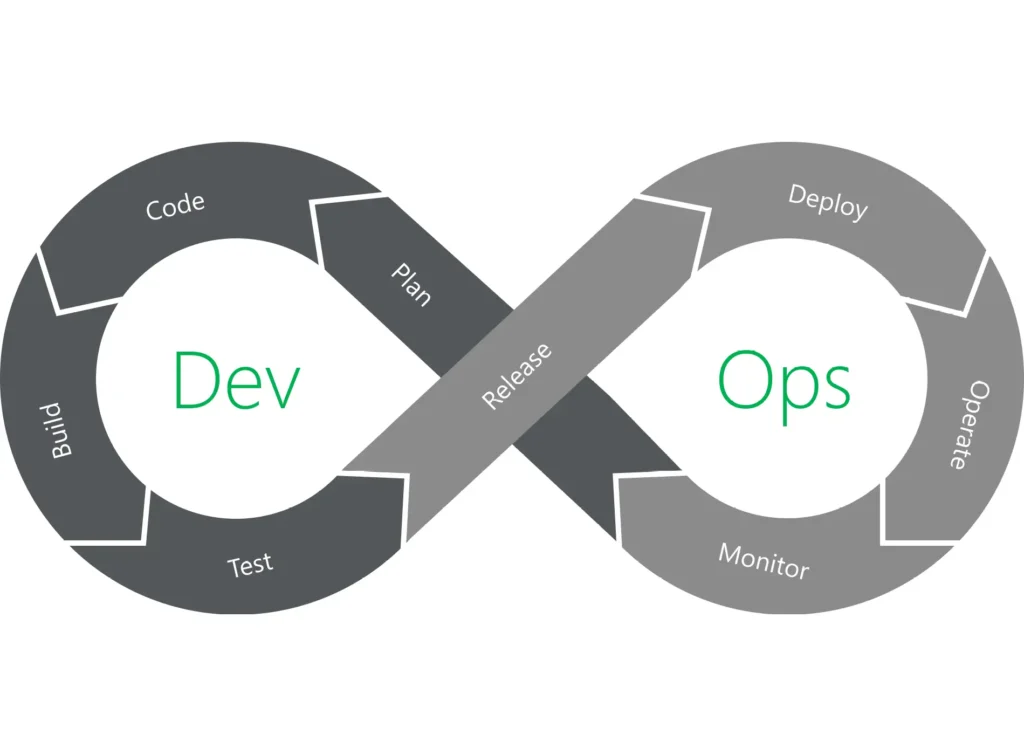
When it comes down to defining DevOps, the industry itself is guilty of muddying the waters, grabbing every opportunity to turn the newest hot term into a lucrative service offering, regardless of how that term is understood. This has lead to as many definitions as there are opinions with DevOps being described among other things as automation practices, a CI/CD pipeline, a philosophy related to maintaining IT infrastructure and even a job title. However, when Patrick Debois back in 2009 embarked on a mission to bring the Agile mindset to the world of IT operations by choosing Ghent, Belgium as the location to organize the first DevOpsDays conference, my understanding of his intent was:
“to decrease time to value supported by solid partnerships and automation practices.”
- value is only generated when the users and customer receive the benefits the delivered functionality is intended to make available, not just merely when the functionality is delivered;
- every infrastructural change that facilitates the delivery of value to the users and customer is in scope (e.g. new functionality, bug fix, increased bandwidth, development environment, etc.)
With this context in mind, DevOps does not solely apply to the delivery pipeline, but is best understood as a mindset – specifically focusing on professionals in delivery and operational environments – that encourages anyone in the value chain to partner with other stakeholders in accomplishing faster time to value. This means that the successful implementation of DevOps practices can only be achieved with the involvement of (if not all) many areas in the organization. It also means that every aspect of the delivery pipeline, infrastructure management and even the delivered functionality itself is to be challenged in the process.
It should be clear from the massive scope covered by the term DevOps that any transformation towards the fullest implementation of this mindset is a journey that often spans multiple years and even then will never really be over. It may seem like a daunting task – because it is – but it is an infinitely rewarding one every step of the way. It enables any organization to focus on their core business, to compete on what really moves the needle for their customers, and to rapidly respond to a changing marketplace.